Article 17 Why getting it wrong can be a good thing
Image by ChatGPT Why getting it wrong can be a good thing: learning through failure in video games Nobody likes getting an answer wrong in front of a classroom. In a video game, however, failure feels completely different. You choose the wrong door, lose a challenge, make a decision that leads to an unexpected ending… […]
Article 16 Every choice matters: The civic power of multiple-ending video games
Image created with ChatGPT Every choice matters: The civic power of multiple-ending video games Ever since the dawn of humanity, people have been asking themselves the same question: “What if?”. A simple question made to try and understand what would have happened if things went differently. What if a different decision had been made? What […]
Article 15 From players to problem solvers: How video games build critical thinking for active citizenship
From players to problem solvers: How video games build critical thinking for active citizenship The challenges facing young people today are becoming increasingly complex. Climate change, artificial intelligence, misinformation, political polarisation and rapid technological change require more than factual knowledge. They demand the ability to analyse information, question assumptions, solve problems and make informed decisions. These are the foundations of critical thinking, a […]
Article 14 From players to policy makers: how youth-led games are reaching EU officials
Image generated with ChatGPT From players to policy makers: how youth-led games are reaching EU officials For as long as European citizens can remember, the standard path for active youth, who wanted to influence European Union policy or rules in any kind of way, was only one: attend a youth parliament, draft a position paper, […]
Article 13 The ethical AI Frontier: empowering no-code game creation for civic engagement
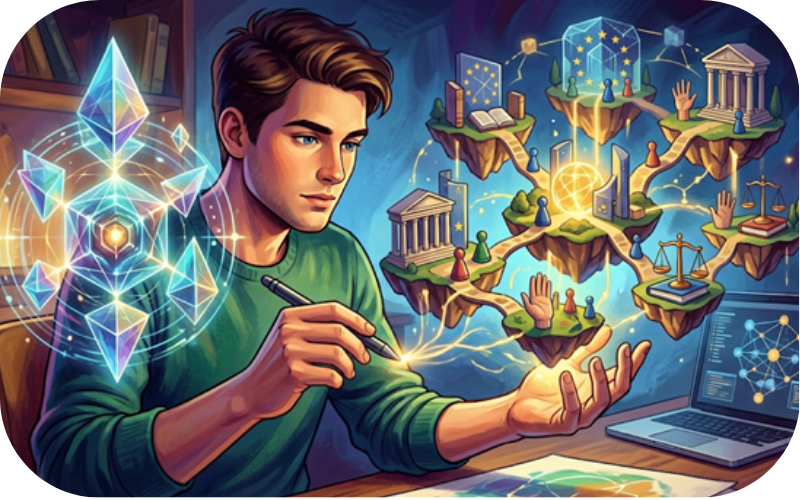
Image created with Gemini The ethical AI Frontier: empowering no-code game creation for civic engagement A new era of digital storytelling The EU Video Games project is redefining what’s possible in digital education. Today, a brilliant idea doesn’t have to get stuck behind complex code or large production budgets. By embracing accessible “no-code” tools, the […]
Article 12 Voting isn’t the only way: 5 ways youth can influence the EU
Image created with Microsoft Copilot Voting isn’t the only way: 5 ways youth can influence the EU Young Europeans are often portrayed as politically disengaged, yet recent data paints a more nuanced picture. While many young people do vote, a significant number feel that elections alone don’t fully capture how they want to participate in […]
Article 11 How to create an educational game without coding skills
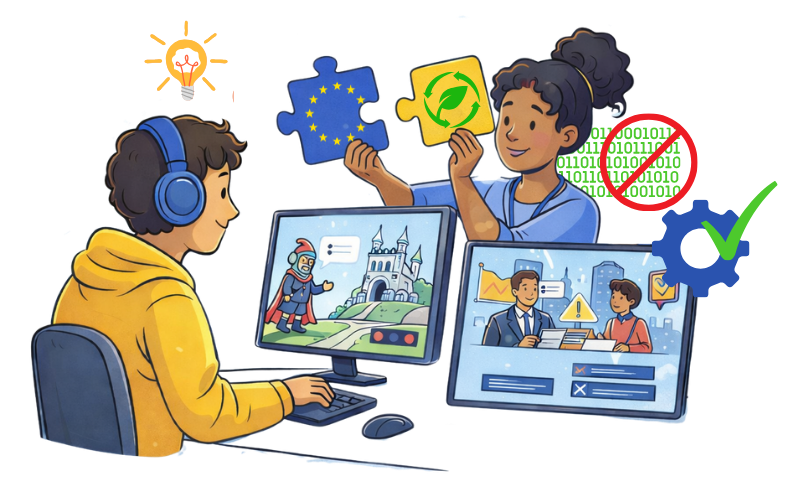
Image created with ChatGPT and Canva How to create an educational game without coding skills Educational video games are no longer limited to professional developers. Thanks to no-code tools, young people and youth workers alike can now design interactive games without programming knowledge. In doing so, they can transform complex topics such as democracy, human […]
Article 10 Democracy starts with wellbeing: why mental health matters for active citizenship
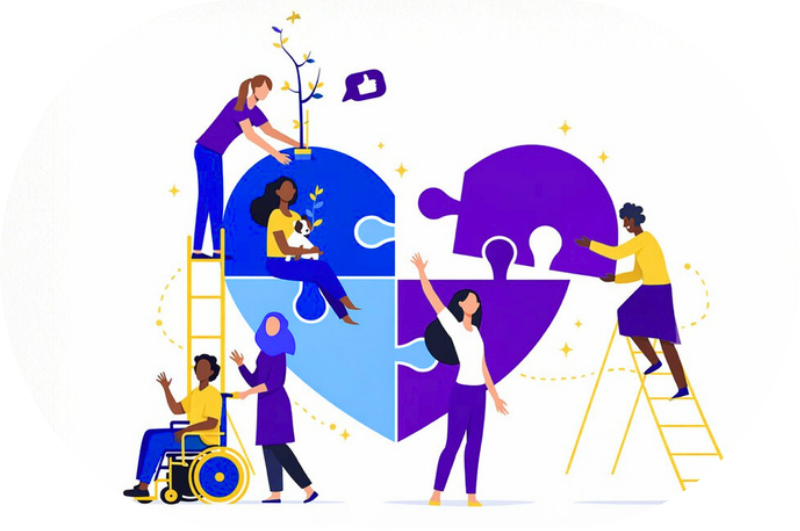
Image created with Canva Democracy starts with wellbeing: why mental health matters for active citizenship Discussions on democracy and civic engagement most often focus on institutions, electoral systems and formal participation mechanisms. Much less attention is paid to a more fundamental question: how young people actually feel when they are invited to participate. In practice, democratic engagement […]
Article 9 Discover Games for impact
Image created with ChatGPT Discover Games for impact Not all games are made purely for entertainment. Some are designed to inspire reflection, raise awareness, and address complex social topics. These experiences can be grouped under the umbrella term “Games for Impact.” Games for Impact are video games created with goals beyond pure entertainment. They aim […]
Article 8 Pixelated policy: Why video games are the new classroom for citizenship?
Image generated by ChatGPT Pixelated policy: Why video games are the new classroom for citizenship? Beyond entertainment Educational games offer more than novelty. Well-designed civic games provide an environment for young people to actively practice essential democratic skills: weighing evidence, fostering collaboration, resolving complex problems, and navigating institutional structures. Games offer a powerful, low-risk, “learning […]